EN
EN
You can earn crypto without buying it directly, but there is usually a trade-off. Legitimate rewards cost you time, attention, skills, personal data, or spending you were already going to do. Methods that require a deposit, collateral, mining equipment, or trading capital are not truly free.
The most realistic options are small promotional rewards, cashback on planned purchases, paid work, bug bounties, referral rewards, optional browser ads, and carefully verified airdrops. The reward may be modest, eligibility can depend on your country, and the crypto can fall in value before you use it.
Short answer: Start with methods that require no deposit and no private-key sharing. If an offer asks you to send crypto first, promises guaranteed returns, or needs your seed phrase, leave it.
What “free crypto” really means
“Free” should mean that you do not have to put capital at risk to receive the reward. It does not mean the reward has no cost at all.
- Time: surveys, games, faucets, community tasks, and educational campaigns may pay very little per hour.
- Attention: browser rewards and advertising offers pay for engagement.
- Skills: freelance work, development tasks, writing, moderation, and bug bounties pay because you create value.
- Existing spending: cashback only helps if you would have made the purchase anyway.
- Personal information: exchanges and reward providers may require identity checks. Read the privacy terms before joining.
- Risk: an airdropped token may be worthless, malicious, illiquid, or expensive to move.
That distinction matters. Staking, lending, yield farming, trading bots, cloud mining, and crypto-backed loans may generate crypto, but they all require money or assets and can produce losses.
Which methods are actually free?
Lower financial risk
Work paid in crypto, bug bounties, optional browser rewards, some referrals, genuine giveaways from verified projects, and occasional educational campaigns.
Only free in the right context
Cashback on a purchase you already planned, play-to-earn games with no entry cost, and airdrops that do not require paid on-chain activity.
Not free
Staking, lending, liquidity pools, mining, trading bots, arbitrage, collateralized loans, gambling, and bonuses that require a deposit or trading volume.
| Method | Upfront money | Typical effort | Main risk | Best suited to |
|---|---|---|---|---|
| Paid work or bounties | No | High | Fake jobs, payment disputes | People with useful skills |
| Browser rewards | No | Low | Small and variable rewards | Existing browser users |
| Cashback | A planned purchase | Low | Overspending, changing terms | Regular online shoppers |
| Referral rewards | Sometimes | Low to medium | Eligibility and relationship risk | Users who already like a service |
| Airdrops | Sometimes no | Medium | Scams, malicious approvals, tax complexity | Experienced wallet users |
| Surveys, faucets, microtasks | No | High for the value | Data collection, withdrawal limits | People testing crypto |
| Play-to-earn | Sometimes | Medium to high | Token and game-economy risk | Players who enjoy the game itself |
| Staking, lending, mining | Yes | Varies | Loss of capital or operating costs | Investors, not “free crypto” seekers |
Legit ways to earn crypto without buying it
1. Get paid in crypto for work
This is usually the most economically honest method. You provide a skill and choose to receive all or part of your compensation in crypto.
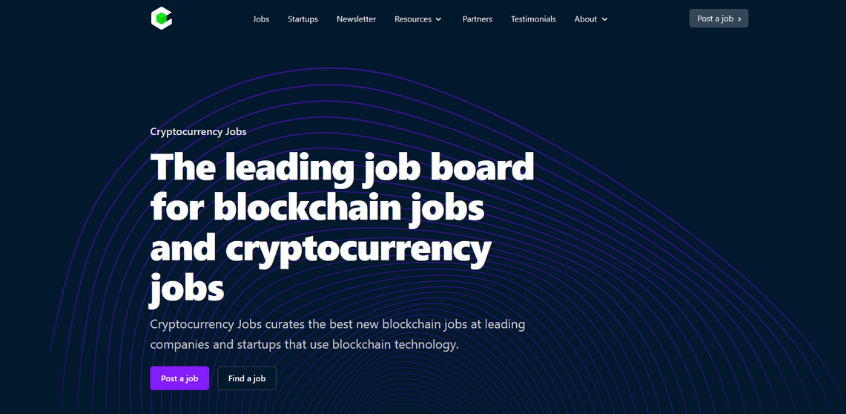
Possible work includes software development, design, writing, translation, community management, research, customer support, and accounting. Crypto-focused job boards such as Cryptocurrency Jobs can help you find roles, but verify the employer independently. A legitimate employer should not charge you a fee to apply or ask you to forward money or crypto.
Bug bounties are a specialist version of the same idea. Projects pay researchers who report valid security vulnerabilities under published rules. Read the scope before testing anything: activity outside the program can be unauthorized, and a valid submission is not guaranteed a payout.
2. Use optional browser rewards
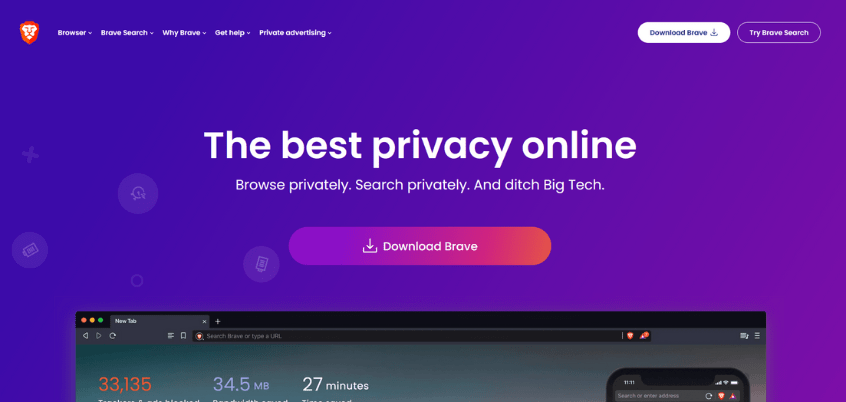
Brave Rewards is a current example. Users can opt in to Brave Ads and receive Basic Attention Token (BAT) for eligible ads. Earning requires a connected payout account, availability differs by region, and the iOS experience is limited. No fixed payout should be expected because campaigns and eligibility change.
This is one of the clearer attention-for-reward models: you are not investing capital, but you are choosing to see ads. Decide whether the browser is useful to you even without the token reward.
3. Earn cashback on purchases you already planned
Crypto cashback services return part of an eligible purchase as bitcoin or another token. The sensible rule is simple: compare the final price with other retailers and only buy something you already intended to purchase.
Do not treat cashback as profit if it causes you to spend more. Check excluded products, tracking requirements, confirmation periods, withdrawal minimums, network fees, supported countries, and whether returns cancel the reward. Providers and merchant lists change frequently, so use the service’s current terms rather than a cached or third-party payout figure.
4. Use referral or sign-up rewards carefully
Some exchanges, wallets, cards, apps, and retailers reward an existing user for introducing a new customer. Others offer a new-customer reward after identity verification, a qualifying purchase, or a minimum amount of trading.
These can be legitimate, but a deposit-dependent offer is not free. Never move money to an unfamiliar platform solely for a bonus. Check whether the reward requires:
- a deposit or minimum balance;
- a trade or card purchase;
- a holding period;
- identity verification;
- a particular country of residence; or
- action before an expiry date.
Be transparent when sharing a referral link. A small reward is not worth recommending a product you would not otherwise use.
5. Look for temporary learn-and-earn campaigns
Educational campaigns can reward users for watching a lesson, answering a quiz, or trying a network. They are usually limited by time, region, account status, identity verification, and available reward inventory.
The most useful starting points are platforms with a live campaign page or an in-app reward section. These programs were checked on 28 July 2026:
| Program | Current position | What to check before starting |
|---|---|---|
| Binance Learn & Earn | Active campaigns are displayed on the official page | Log in to see eligibility; campaigns and reward pools are limited |
| Revolut Crypto Learn | Available to eligible customers in supported markets | Open the Crypto section in the app; lessons, rewards, and country access vary |
| KuCoin Learn & Earn | Active campaign hub | Some tasks require KYC, a deposit, or trading, so not every reward is free |
| Phemex Learn & Earn | Active, but rewards are cashback vouchers | The vouchers refund part of trading fees and only have value if you trade |
| BitDegree Learndrops | Active mission directory | Separate no-cost lessons from casino, deposit, trading, and prize-draw offers |
| Robinhood Learn & Earn | Available in some Robinhood markets | Current EU terms require an eligible account and at least a €20 deposit |
| Swyftx Learn & Earn | Course page is active | Check local eligibility and whether a particular course currently includes a reward |
Check the page while logged in. A platform can keep its course library online when its reward pool is empty. Confirm that the specific lesson says what you will receive before completing it.
Several familiar names should not be treated as current opportunities. Coinbase Learning Rewards ended on 27 May 2025. Bake suspended its crypto-asset trading services in April 2026. CoinGecko’s earn link now redirects to general educational content, while CoinMarketCap’s Learn and Earn page currently displays past campaigns rather than a live one. No current official campaign could be confirmed at the supplied NFTb page.
Avoid any “course” that asks you to send crypto, import a seed phrase, or connect a wallet to an unverified contract.
6. Claim verified airdrops and protocol rewards
An airdrop distributes tokens to eligible users, community members, or wallet addresses. Some projects reward early use of a protocol; others run community campaigns or distribute tokens after a network launch.
An airdrop is only close to free when eligibility comes from activity you had already completed and claiming does not require meaningful spending. Farming a possible airdrop with repeated transactions is speculative: gas fees and token prices can exceed the reward.
Use the project’s official website and verified announcement channels. Type the address yourself or use a saved bookmark. Consider a separate wallet with limited funds for claims, review every approval, and revoke permissions you no longer need. Never disclose your seed phrase or private key.
To discover campaigns, an aggregator such as AirdropAlert lets you browse featured, new, DeFi, Solana, NFT, and potential airdrops. Treat it as a discovery tool rather than final verification: open the project’s official website separately, compare the contract address and eligibility rules, and check whether the listing is sponsored before connecting a wallet.
The US Federal Trade Commission warns that promises of free crypto and guaranteed returns are common scam tactics. It also notes that crypto payments are usually difficult to reverse. The warning is useful globally even though reporting options and consumer protections vary by country. See the FTC’s crypto scam guidance.
7. Receive tips and community rewards
Creators and community contributors may receive tips for useful posts, videos, open-source work, event participation, or moderation. Some projects also offer structured ambassador programs.
Treat unsolicited direct messages with caution. Verify that a campaign appears on the project’s official channels, understand what work is required, and avoid offers that ask you to recruit aggressively or pay an activation fee.
8. Try surveys, faucets, and microtasks with realistic expectations
Faucets distribute tiny amounts of crypto for completing captchas, watching ads, playing simple games, or returning at fixed intervals. Survey and microtask sites may offer crypto as one payout option.
These methods let you earn without buying crypto directly, but they tend to exchange a lot of time and data for a small reward. Freecash is one current example: users complete surveys, test apps, play games, or finish offers, and crypto is among its payout options. Available offers, withdrawal methods, and thresholds depend on the user’s region.
Before starting, check:
- the withdrawal threshold and supported network;
- withdrawal and network fees;
- whether your country is eligible;
- what personal data is collected;
- whether the offer requires a purchase, subscription, or in-app spending;
- whether rewards expire; and
- whether independent users report successful withdrawals.
Calculate the effective hourly return after any spending and fees. Never install unknown software, disable device security, or deposit money to “unlock” a faucet balance.
9. Play games that award crypto or digital assets
Some games distribute tokens or transferable items through gameplay, competitions, or creator economies. This is only a no-cost method if the game has a genuine free entry path. Many games require NFTs, tokens, subscriptions, or substantial time before a player can earn anything.
PlayToEarn provides a searchable blockchain-game directory with filters for platforms, categories, chains, tokens, and NFTs. It can help you build a shortlist, but a listing or ranking is not an endorsement. Open the game’s official site and check whether it is playable for free, what can actually be withdrawn, and what fees or assets are required.
Axie Infinity is a concrete example of an active Web3 game ecosystem. Its current games include Origins, Classic, and Terrariums, and some gameplay and leaderboard activity can award bAXS. Axie’s Adoption Center also offers an onboarding route involving delegated Axies. Reward mechanics, conversion rules, and entry requirements can differ between Axie experiences, so read the current game documentation before committing time or money.
Play because you enjoy the game, not because a promotional page estimates an hourly return. Token prices, player demand, reward rules, and withdrawal fees can change quickly. Gambling and casino-style games should not be presented as a reliable way to earn crypto.
10. Receive tokens from a blockchain fork
A blockchain fork can result in holders of the original asset receiving an equivalent amount on a new chain. This is occasional, technical, and not a repeatable income method.
Do not move assets or reveal keys simply because an unfamiliar site says a forked balance is waiting. Research replay protection, wallet support, exchange policy, network legitimacy, and tax consequences before claiming. A token balance is not valuable unless the network is usable and there is a market for the asset.
Methods that earn crypto but are not free
The following methods can generate crypto, but they require capital, collateral, equipment, or trading risk. They belong in a broader “earn on crypto” strategy, not in the no-deposit category.
Staking, lending, and yield farming
These require you to own and expose crypto. Risks can include price volatility, lockups, validator penalties, smart-contract failure, platform insolvency, liquidation, and changing reward rates. A quoted annual percentage yield is not a guaranteed return.
Mining and hashpower marketplaces
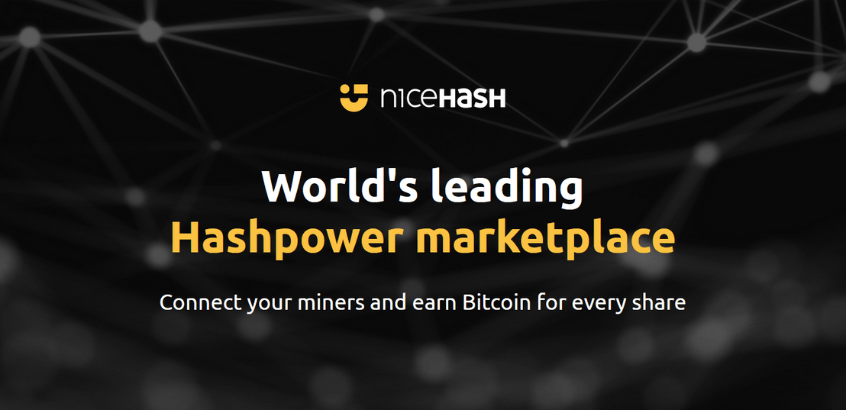
Mining requires hardware, electricity, cooling, maintenance, and technical setup. A marketplace such as NiceHash lets participants sell or buy computing power, but that business model does not make mining free. Profitability depends on equipment efficiency, electricity prices, fees, network conditions, and the price of the payout asset.
Trading bots and arbitrage
Bots require funded accounts and can magnify mistakes. Fees, slippage, latency, liquidity, bad configuration, exchange outages, and market movements can eliminate an apparent opportunity. A backtest or advertised win rate does not guarantee future profit.
Crypto-backed loans
A loan is debt, not earnings. The borrower supplies collateral and must repay principal, interest, and fees. If the collateral falls in value, it may be liquidated. Borrowing against crypto can be useful in limited circumstances, but it is the opposite of free money.
Gambling
A welcome credit or faucet attached to a casino is still part of a gambling product. Wagering requirements, withdrawal restrictions, and the possibility of losing deposited funds make it unsuitable as an earning strategy.
How to check whether a crypto reward is legitimate
- Find the official source.Open the provider’s official website or app yourself. Do not trust a sponsored search result, reply, or direct-message link.
- Read the current terms.Check eligibility, country restrictions, deadlines, required spending, withdrawal limits, fees, and identity checks.
- Identify what you are giving up.Write down the time, data, spending, wallet permissions, or capital the offer requires. If capital is at risk, it is not free.
- Protect your wallet.Never share a private key or seed phrase. Use a separate low-value wallet for unfamiliar claims and inspect approvals before signing.
- Test withdrawals early.If practical, make a small withdrawal before investing significant time. Do not pay extra “tax” or “verification” fees to release a balance.
- Record the reward.Save the date, amount, token, market value, provider, transaction hash, and related fees for tax reporting.
Are free crypto rewards taxable?
Possibly. Tax treatment depends on your country, the reason you received the token, and what you later do with it.
In many tax systems, a reward received for work, referrals, staking, promotions, or other activity can create taxable income when you receive or control it. A later sale, swap, or purchase may create a separate capital gain or loss. Cashback, unsolicited airdrops, forks, gaming assets, and low-value rewards can be treated differently between countries.
Keep records even when the amount is small:
- date and time received;
- token and quantity;
- fair market value in your reporting currency;
- wallet or exchange account;
- transaction hash;
- why you received it;
- fees paid; and
- the date and value when you later sold, swapped, spent, or transferred it.
A reward can have a zero purchase cost and still create a reporting obligation. Record its value when received and keep the later disposal history. Check the rules for your tax residence in Divly’s country guides.
If you use multiple wallets and platforms, Divly can help you consolidate transaction history and prepare a country-specific crypto tax report. The final classification still depends on local law and the facts behind each reward.
The practical conclusion
The best no-purchase methods are the ones you would still consider worthwhile if the token price fell: paid work, a useful browser, planned shopping cashback, or a genuine community contribution. Small promotions, airdrops, games, faucets, and referrals can add to that, but they should be judged on time, data, eligibility, and security rather than headline payout claims.
Avoid any offer that needs an advance crypto payment, guarantees a return, or asks for wallet secrets. And keep tax records from the moment the reward arrives.
Frequently asked questions
Can I really earn bitcoin for free?
You can receive bitcoin or other crypto without buying it directly, but legitimate methods normally exchange time, attention, skills, or planned spending for the reward. No-cost rewards are usually small.
What is the safest way to earn free crypto?
Paid work from a verified employer is usually clearer than an anonymous promotion. For low-effort rewards, use established providers, open the official site yourself, read the current terms, and never share a seed phrase or pay upfront.
Are crypto faucets worth it?
Usually only as an experiment. Rewards can be tiny compared with the time, advertising, data collection, withdrawal limits, and fees involved.
Is staking a way to earn free crypto?
No. Staking can generate rewards, but it requires crypto capital and exposes that capital to price, lockup, validator, platform, or smart-contract risk.
Do I have to pay tax on an airdrop or reward?
It depends on your country and how the reward was earned. The receipt may be income, and a later disposal may create a gain or loss. Keep a value and transaction record, then check the rules for your tax residence.
Why are there no fixed payout rankings in this guide?
Campaign amounts, supported countries, token prices, withdrawal rules, and provider availability change too quickly. Comparing the current cost, effort, eligibility, and risk is more useful than ranking temporary promotional figures.
This article is for general information and does not constitute financial, legal, or tax advice. Cryptoassets are volatile, and reward programs can change or end without notice.
Any tax-related information provided by us is not tax advice, financial advice, accounting advice or legal advice and cannot be used by you or any other party for the purpose of avoiding tax penalties. You should seek the advice of a tax professional regarding your particular circumstances. We make no claims, promises, or warranties about the accuracy of the information provided herein. Everything included herein is our opinion and not a statement of fact.